
· 2 min read
Does a DNA-clear Maine Coon still need an echocardiogram?
Yes. UC Davis puts HCM incidence at 5.4% in Maine Coons without the A31P mutation and 5.4% in cats with it — the DNA test cannot see the heart.

Anna Bronsky
Co-Founder of TrueKitten, a verified Maine Coon marketplace

Short answer: yes. A DNA-clear result and a clear echocardiogram are not the same finding. Reviewing the published research, UC Davis reports HCM incidence of 5.4% in Maine Coons negative for the A31P mutation, and 5.4% in cats carrying it, concluding that “the MYBPC3-A31P mutation is not the sole cause of HCM in Maine Coons.” A DNA test rules out one known cause. Only an echo looks at the heart.
What each test can actually see
The HCM DNA test is a cheek-swab genetic test for a single mutation — A31P in the MYBPC3 gene. It answers one question: does this cat carry that specific variant?
The echocardiogram is an ultrasound of the working heart, performed and read by a veterinary cardiologist. It answers a different question entirely: is this heart thickening right now?
Neither answers the other’s question. That is the whole point, and it is why a breeder who has done only one of them has told you less than they think.
Why “DNA-clear” is the most misunderstood phrase in the breed
UC Davis is explicit that the A31P test detects only that one mutation, and that other causes of HCM in Maine Coons “are not known at this time.” A cat can be genuinely, correctly DNA-clear and still develop the disease from a cause nobody has identified yet.
That is not a reason to skip the DNA test. It is a reason not to stop there.
What the risk numbers do and don’t tell you
The same UC Davis page gives the relative risks: a cat with one copy of A31P is 1.8 times more likely to develop HCM than a cat with none, and a cat with two copies is 18 times more likely, with moderate-to-severe disease that can cause sudden death by age four or less.
Those numbers are real and they matter for breeding decisions. They are also why the test is worth doing. But relative risk is a statement about populations, not a prediction about the individual kitten in front of you — which is exactly what the echo is for.
What to ask a breeder
Ask for both, by name, with dates:
- The A31P DNA result for both parents, from a named lab.
- The most recent echocardiogram for both parents, read by a board-certified cardiologist — with the date.
A breeder doing this properly will hand over dated documents without hesitation. If you want the full interview, we wrote out the 25 questions worth asking, and the distinction between the two tests in more depth.
Anyone who tells you a DNA-clear line makes echoes unnecessary has misunderstood their own paperwork.
Keep reading
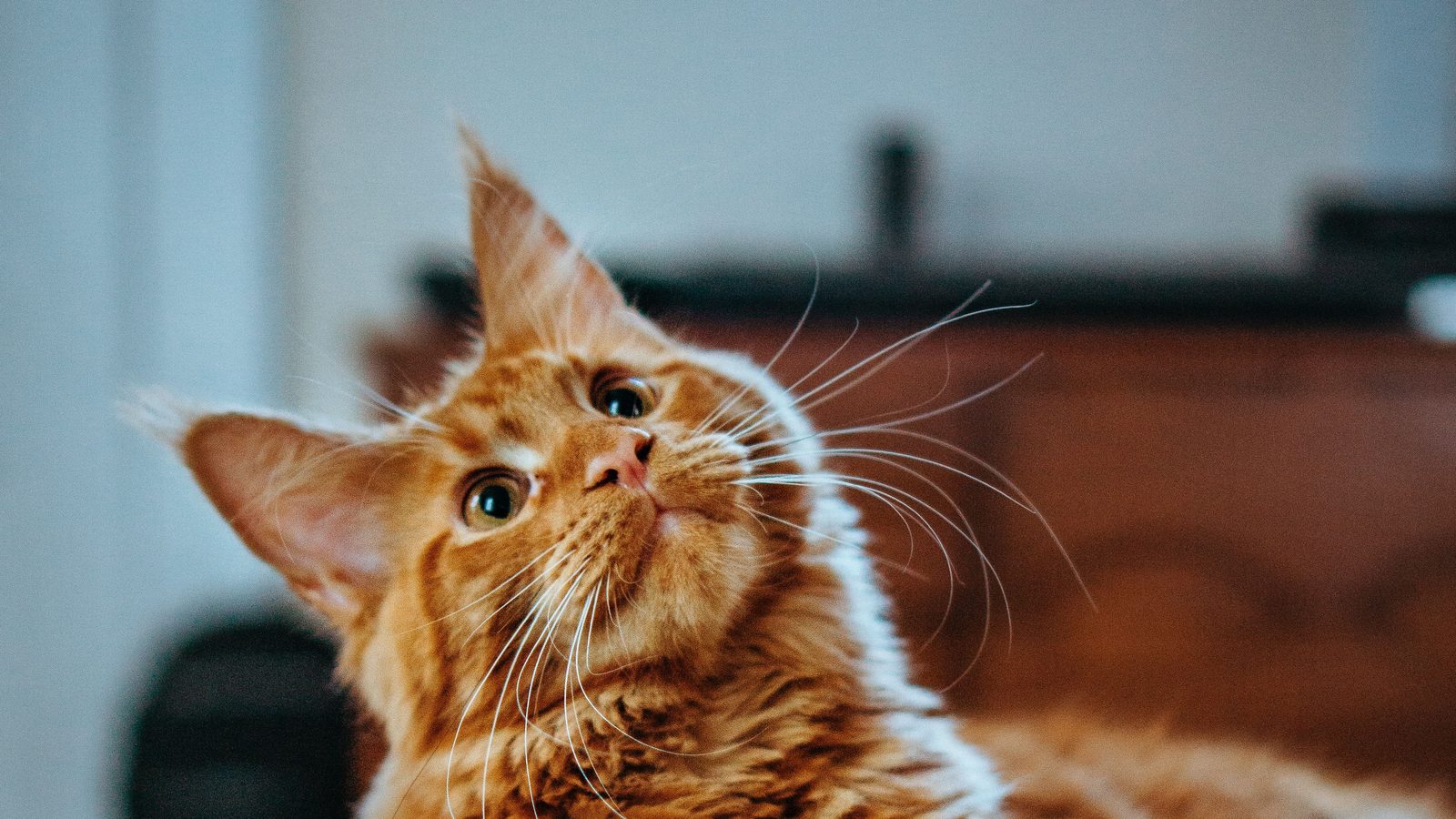
An echocardiogram is a snapshot, not a certificate. Why breeding cats are rescreened on a schedule, and how to tell whether a result is still meaningful.
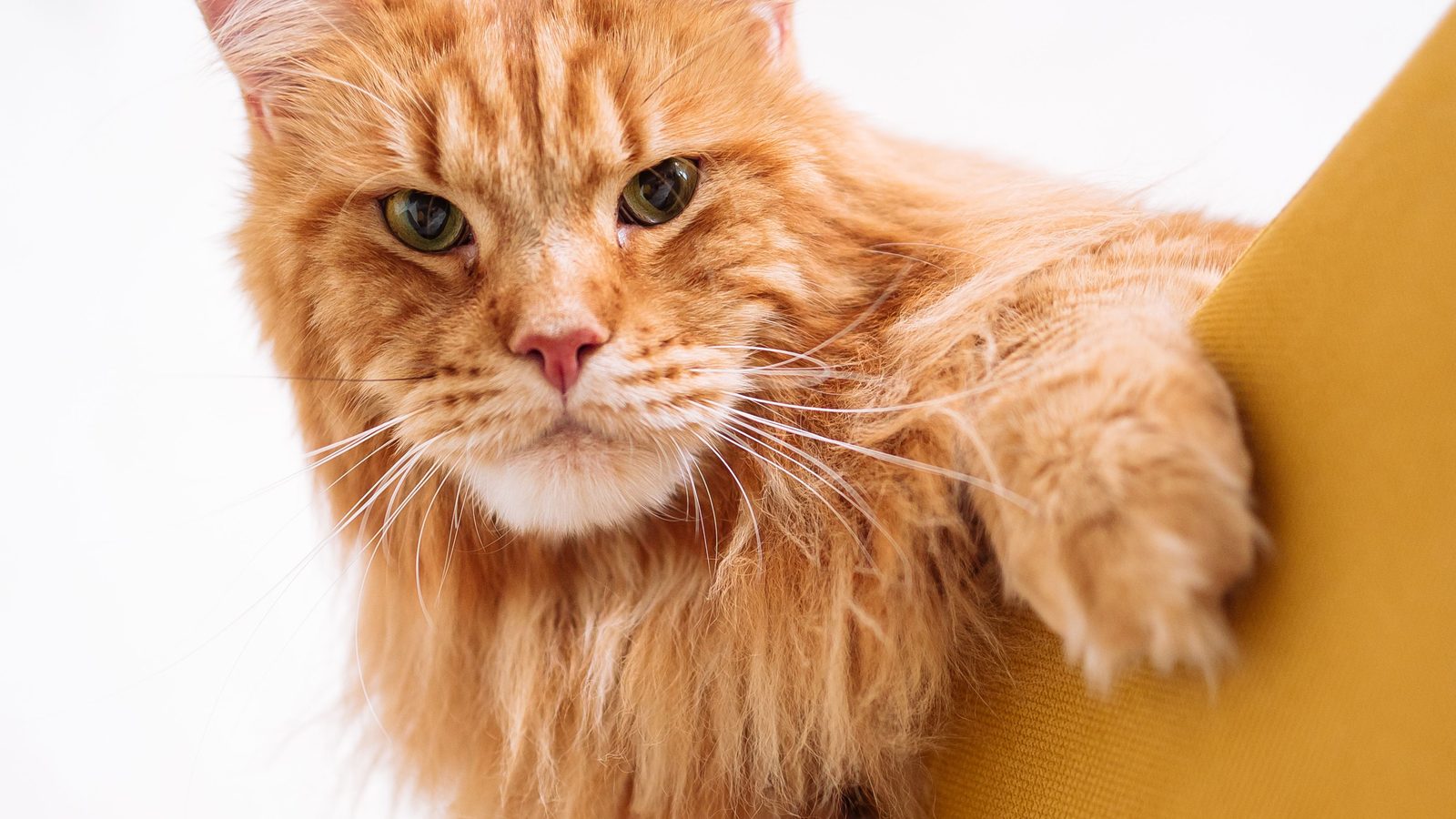
Negative, carrier and affected are three different things, and two of them get confused constantly. How to read an A31P result without over- or under-reacting.
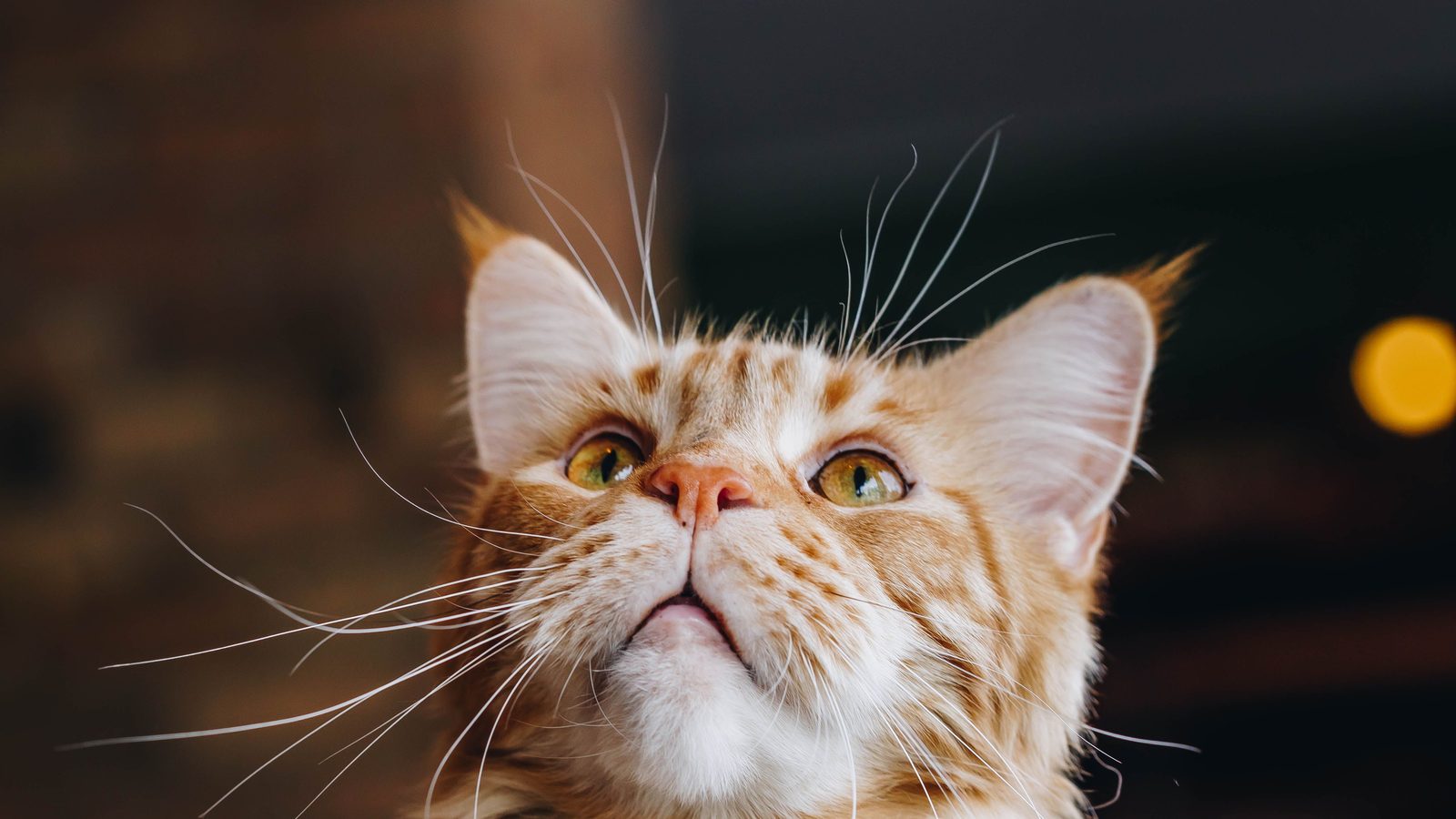
Spinal muscular atrophy sounds alarming and is easy to screen out. What the SMA test detects, what an affected cat's life looks like, and why carriers are fine.


