
· 3 min read
The 5 things wary buyers check before they'll trust you with a deposit
The bar reputable Maine Coon breeders clear — documented health testing, a written contract, transparency, a traceable identity, a verifiable record.

Albert Bronsky
Co-Founder of TrueKitten, a verified Maine Coon marketplace

Every serious Maine Coon buyer who contacts you has either been scammed or knows someone who was. So they’re not evaluating your kittens — they’re auditing you. The good news: every box they’re checking is one a reputable breeder already ticks. You just have to prove it. Here are the five things a wary buyer checks before a deposit ever leaves their account.
The five things buyers check
1. Health testing you can actually document
This is where most buyers separate real breeders from talkers. For Maine Coons, HCM screening is two different tests, and they are not interchangeable:
- HCM-DNA screens for known genetic mutations.
- HCM-echo is an echocardiogram — an ultrasound of the actual heart, read by a cardiologist.
A DNA-clear result does not mean the heart is clear: the DNA test detects only one known mutation, and UC Davis puts HCM incidence at 5.4% both with and without it — so a breeder relying on DNA alone cannot see the whole risk. A reputable breeder does both, on a schedule (echo results expire — hearts change), plus the other breed screening (SMA, PKD, hip evaluation). Buyers want to see dated results, not hear “our lines are healthy.” And “vet checked” is not health testing — a wellness exam says nothing about HCM.
2. A written sale contract — agreed before money moves
Not a handshake. A real contract that spells out the health guarantee, spay/neuter terms, and the return/refund policy in writing, before a deposit changes hands. The absence of a contract is one of the loudest red flags a buyer can find.
3. Transparency you can point to
Live video of the actual kitten — not a photo that shows up on three other sites. Straight answers about your program. And a paper trail — pedigree, registration, vet records — that reconciles with each other and with the cat in front of them.
4. A traceable, accountable identity
Buyers want a real human behind the listing, not an anonymous website that can vanish overnight. A name, a cattery, a registry standing they can look up — and a microchip that ties this specific cat to its documents.
5. A track record they can verify
Registry standing in good order, references from past buyers, and reviews they can trust. The scam version of “reviews” is testimonials with no way to confirm they’re real. The trustworthy version is reviews tied to completed sales.
How TrueKitten helps you prove each one
The bar isn’t there to gatekeep good breeders — it’s there so the buyers you want can tell you apart from the scammers. Here’s how the platform lets you prove it, point for point.
- Prove your testing is real. Submit your health-test documents; we authenticate them against the issuing registries and match them to the cat by microchip, so buyers see the paperwork is genuine — HCM-DNA and HCM-echo treated as the distinct tests they are. (This confirms the document is authentic and matched to the cat — it is not a guarantee of the animal’s future health.)
- Prove you’re a real, accountable breeder. Get identity-verified so your cattery earns the Verified badge and your listings go live — every breeder in the TrueKitten catalog is verified, which is exactly why buyers trust it.
- Give buyers a contract that holds up. Use the TrueKitten Standard Contract — one plain-English contract set to your own terms — instead of copy-pasting one from another cattery and hoping it holds.
- Let a wary buyer commit with confidence. Take payment through escrow-like custody via Stripe — you’re paid after the in-person handoff the buyer confirms with a one-time PIN.
- Turn completed sales into proof. Verified reviews are tied to real completed transactions, so your track record can’t be faked.
Keep reading
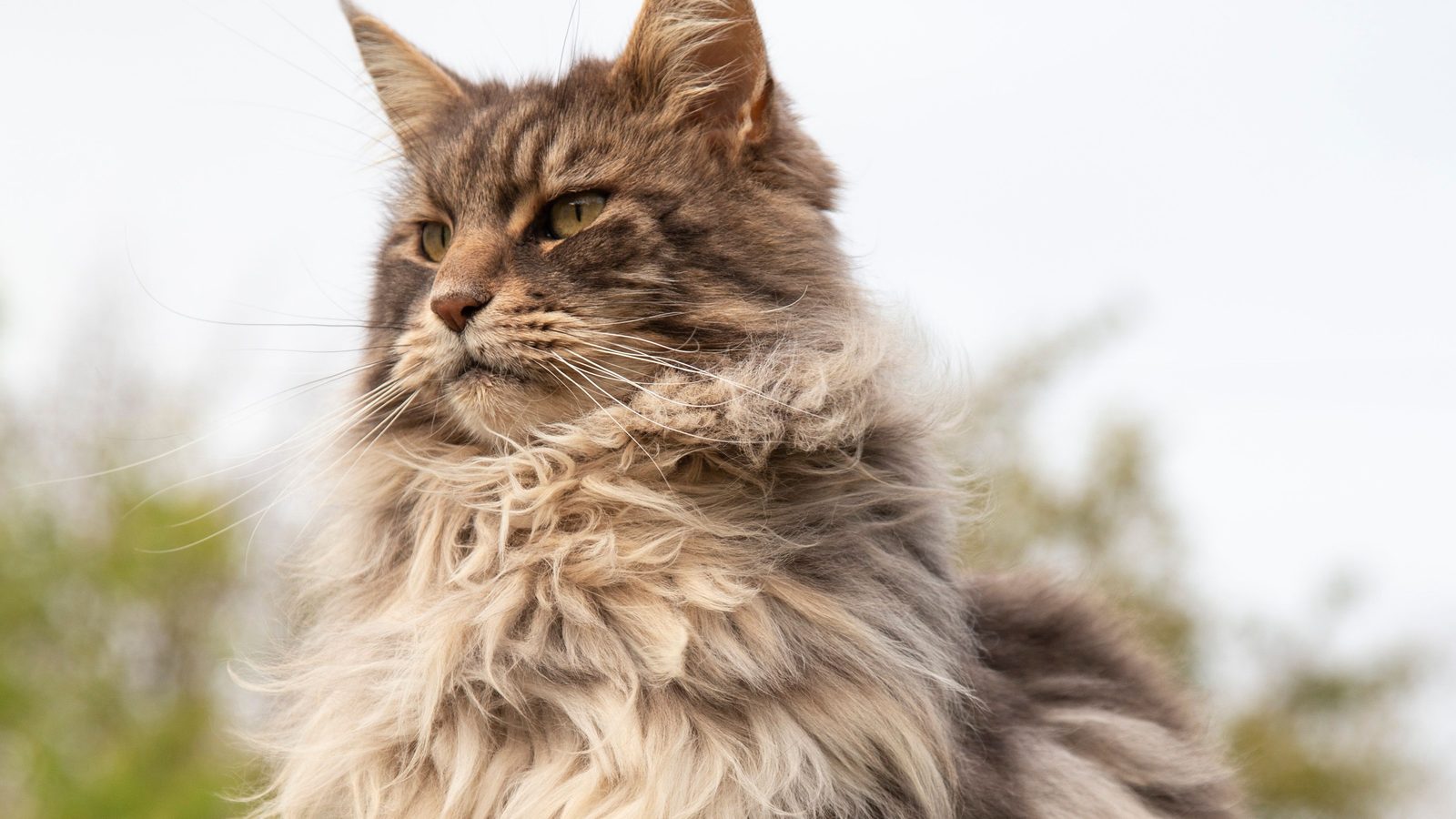
The real per-cat cost of doing Maine Coon health testing properly — DNA panels, cardiologist echoes and hip evaluation — and why it shows up in kitten prices.
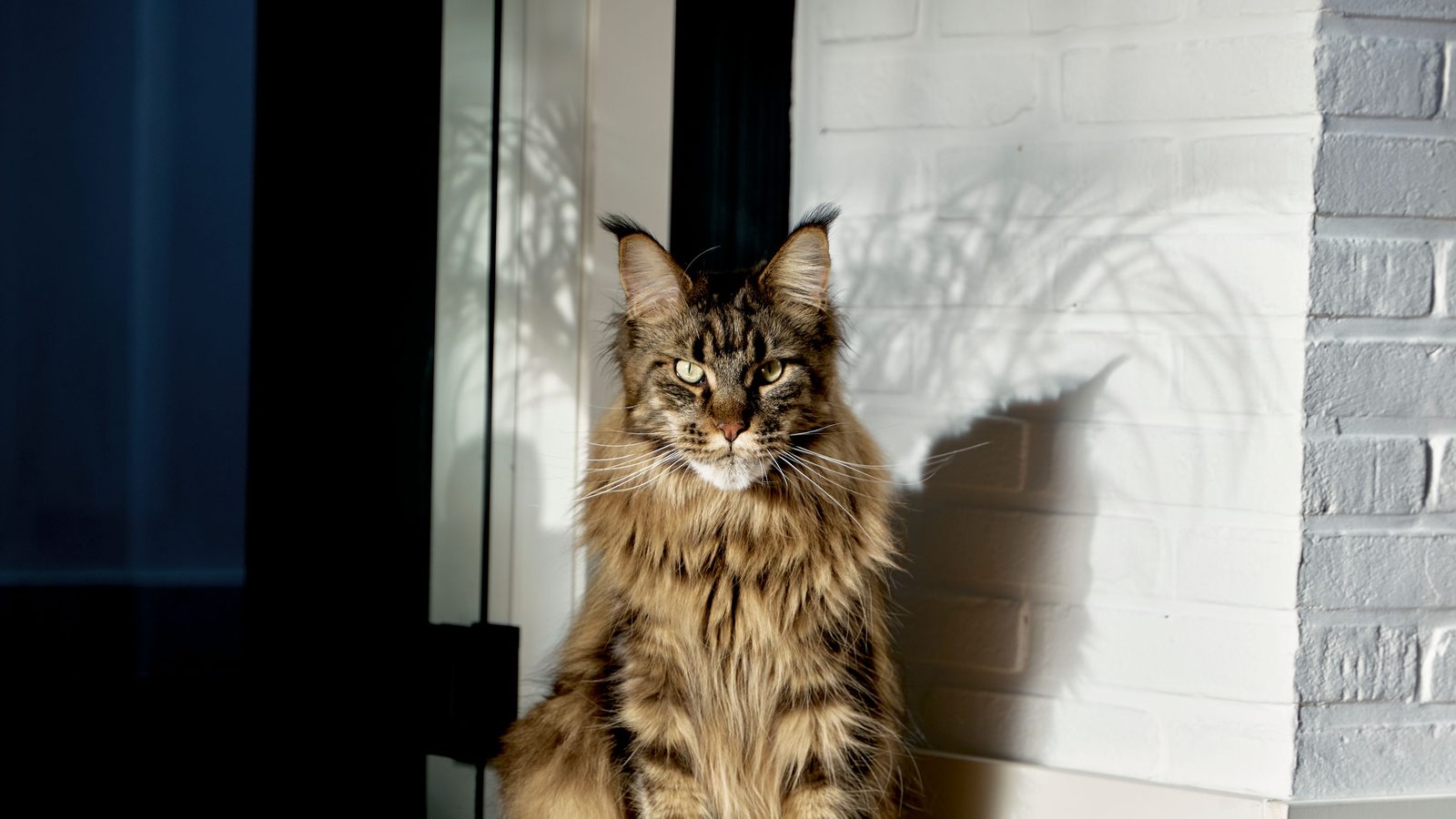
Yes. UC Davis puts HCM incidence at 5.4% in Maine Coons without the A31P mutation and 5.4% in cats with it — the DNA test cannot see the heart.
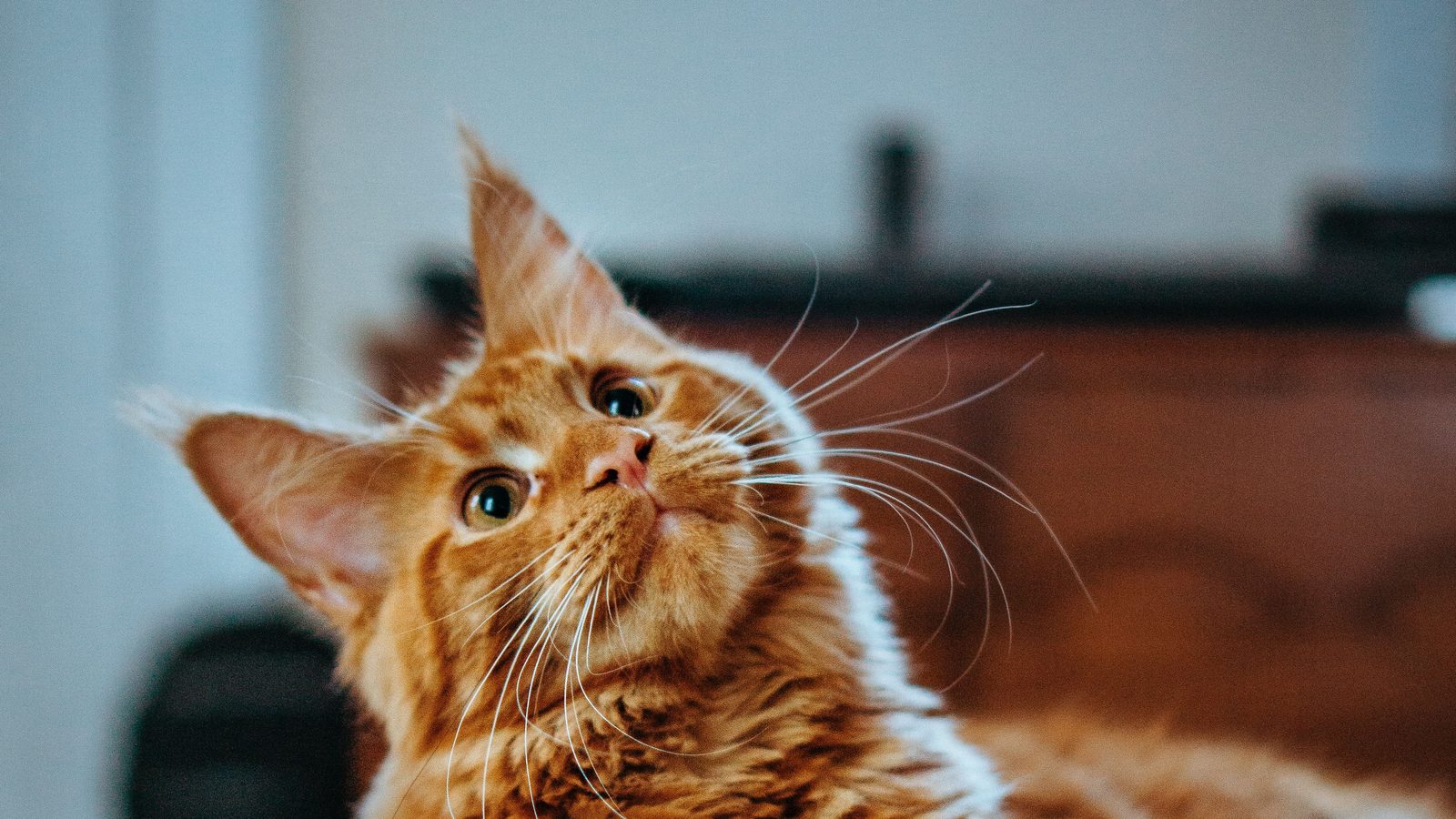
An echocardiogram is a snapshot, not a certificate. Why breeding cats are rescreened on a schedule, and how to tell whether a result is still meaningful.


