
· 5 min read
How not to get scammed buying a Maine Coon
The red flags of a Maine Coon kitten scam, the tells that beat scammers who forge registration forms and buy followers, and what a safe purchase looks like.

Albert Bronsky
Co-Founder of TrueKitten, a verified Maine Coon marketplace

Maine Coon scams are common, and they’re getting slicker. Wire the deposit and the “breeder” vanishes — the kitten never existed. Here are the 5 red flags that give a scam away, the newer tells that experienced buyers learned the hard way, the myths that get people scammed, what a safe purchase actually looks like, and how the risk gets removed at every step.
The 5 red flags
- A deposit demanded before you’ve seen a live video of the actual kitten. A real breeder will happily hop on a live call with the kitten. A scammer stalls — there is no kitten.
- No health testing, or vague answers about it. Ethical breeders test for HCM (the DNA test and an echo — they’re distinct) and other hereditary conditions, and can show the documents. “Vet checked” is not health testing.
- A price that’s too good to be true. A well-bred, health-tested Maine Coon is a real investment. A show-quality kitten at a bargain price is bait.
- Pressure to pay off-platform — wire, Zelle, gift cards, or an app. These have no recourse: once the money’s gone, it’s gone. And “another buyer is ready” is the urgency that makes you skip your own checks.
- Photos that show up elsewhere. Scammers reuse stolen photos. A reverse-image search that finds the same “kitten” on other sites is a dead giveaway.
More tells that give a scammer away
These are the quieter signals experienced buyers watch for — none is proof on its own, but together they paint a picture.
- Bad spelling and broken grammar running through the page, listing, or messages. Sloppy, machine-translated copy is a common tell.
- Bait framing, not a single word. It’s the context that gives it away: an anonymous seller pairing urgency with “free,” “adoption,” or “rescue” language. Reputable breeders sell kittens — they don’t title a cattery “adoption” or advertise a kitten as free. A “rehoming fee” is a classic hook too — but judge it in context, because a genuine breeder may honestly rehome a retired adult cat, so the word alone isn’t a red flag.
- A page identity that doesn’t add up. The creator’s name doesn’t match the profile URL, the URL is just random letters and numbers with no real name, or the page was created only days or weeks ago.
- A seller who’ll sell to anyone, no questions asked. A real breeder vets you — they ask about your home, your other pets, and your lifestyle. No questions back is itself a warning sign. (Here are the 25 questions worth asking them back.)
The old advice scammers have beaten
Some classic “how to verify” tips no longer work on their own, because scammers adapted. Here’s how to actually verify.
- Verify registration at the source — a forwarded form is no longer proof. Scammers steal and edit real catteries’ registration documents, so “here’s my registration” means nothing by itself. Call TICA or CFA (or use the registry’s own lookup) and confirm the cattery name and number yourself.
- A cattery being absent from TICA’s or CFA’s public breeder list is not a red flag. That listing is a paid spot many legitimate breeders skip. What matters is that their registration checks out when you contact the registry.
- Call the references — actually phone them. Don’t just collect a vet’s name and a “happy buyer.” Call the vet, and call at least one past buyer, and confirm they’re real.
- Insist on live video of the whole kitten — several angles, more than one spot, and the parents too — not a single cropped face. Keep asking until you’ve watched it move.
Myths that get buyers scammed
These sound like common sense, and each one has helped a scammer close a sale.
- Myth: “They have tons of followers, so they’re legit.” Follower counts mean nothing in either direction — they’re cheaply inflated by bots, and a brand-new page with almost no followers is just as often a scammer who cloned someone’s cattery. Real breeders often have very few followers.
- Myth: “They’re not on the TICA/CFA breeder list, so they’re fake.” See above — that list is a paid spot, not a verification badge. Confirm registration at the registry instead.
- Myth: “They sent me their registration papers, so they’re real.” A forwarded document can be stolen and edited. Only registration you confirm at the source counts.
- Myth: “They won’t let me visit, so it’s a scam.” A closed cattery or a no-in-home-visits policy is normal biosecurity — viruses and parasites like giardia and coccidia ride in on shoes. A live FaceTime tour is the accepted substitute for an in-person visit, not a warning sign.
What a safe purchase looks like
- You can see the kitten live and see real health documents before you commit a cent.
- Your payment is held until you’ve met the kitten in person — the seller is paid after the handoff, not before.
- There’s a written contract with the breeder’s own health guarantee, agreed up front.
- Nobody rushes you, and nobody asks you to move the payment off-platform.
How TrueKitten removes the risk
- Every breeder in our catalog is verified — we authenticate each cattery’s identity before its listings go public, so the seller you’re talking to is never anonymous.
- Health documents are authenticated against their issuing registries and matched to the cat by microchip — so the paperwork you see is real.
- Your payment is held in escrow-like custody via Stripe until you confirm the in-person handoff with a one-time PIN — the breeder can’t be paid before you’ve met your kitten.
- If a deal turns out to be fraudulent, the Safe-Handover Guarantee makes you whole through the resolution process, usually straight from the funds still held — a conditional backstop, not insurance.
None of this works off-platform. If a seller pushes you to pay by wire or app to “save the fee,” they’re asking you to give up every protection above.
Keep reading
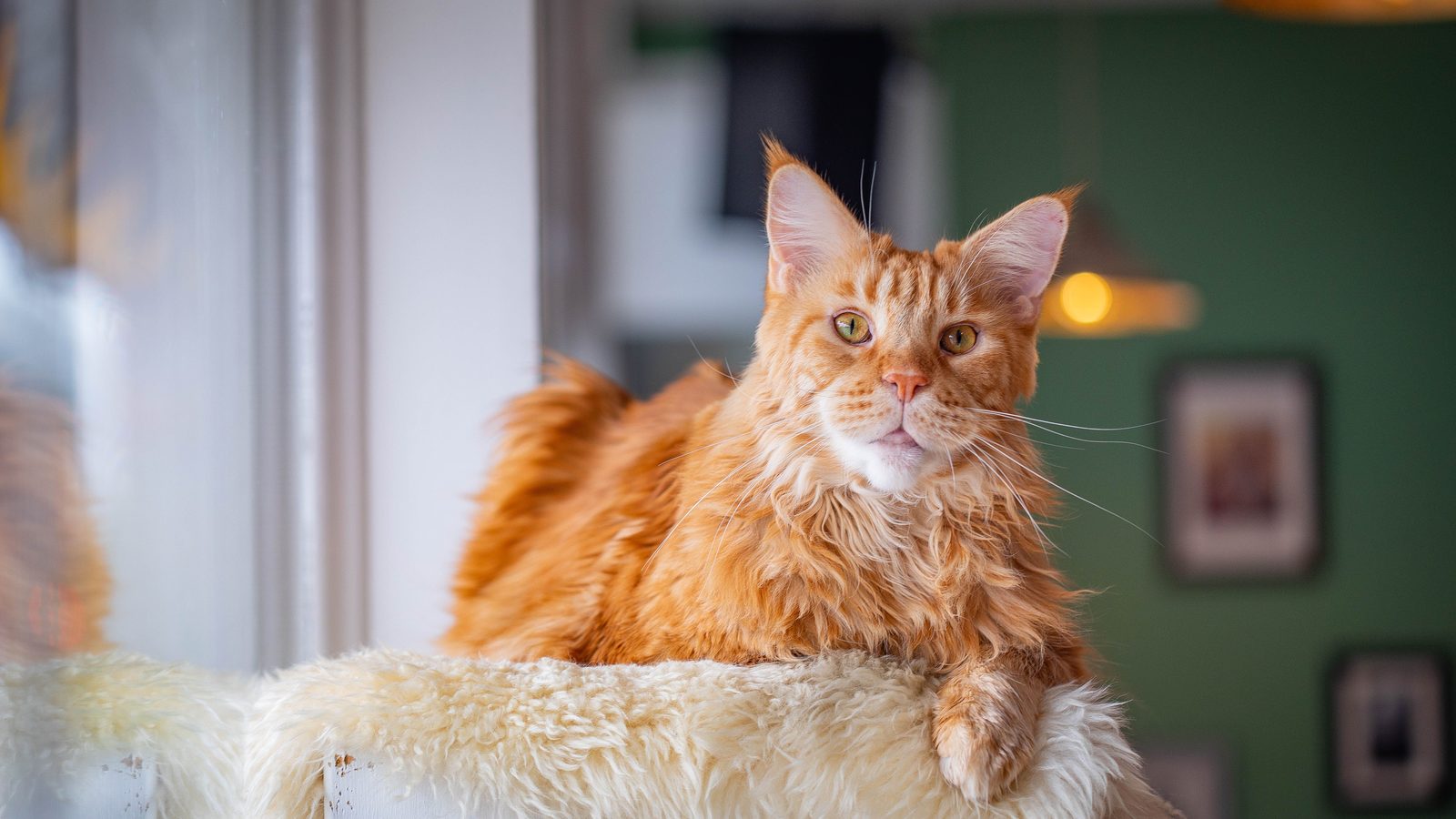
An honest comparison of the ways to buy a Maine Coon kitten online — classifieds, directories, and verified marketplaces — judged on screening and recourse.
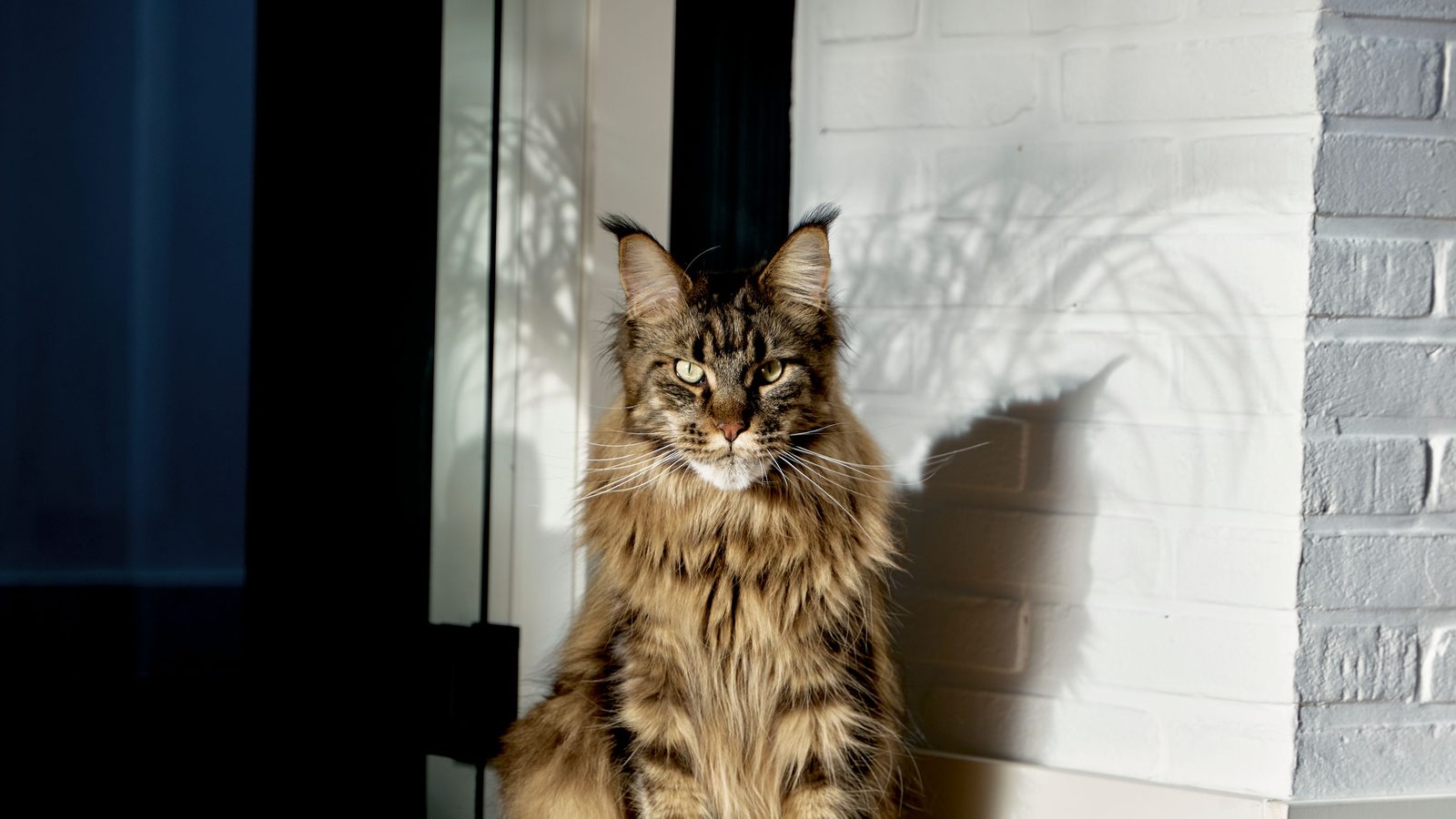
Yes. UC Davis puts HCM incidence at 5.4% in Maine Coons without the A31P mutation and 5.4% in cats with it — the DNA test cannot see the heart.
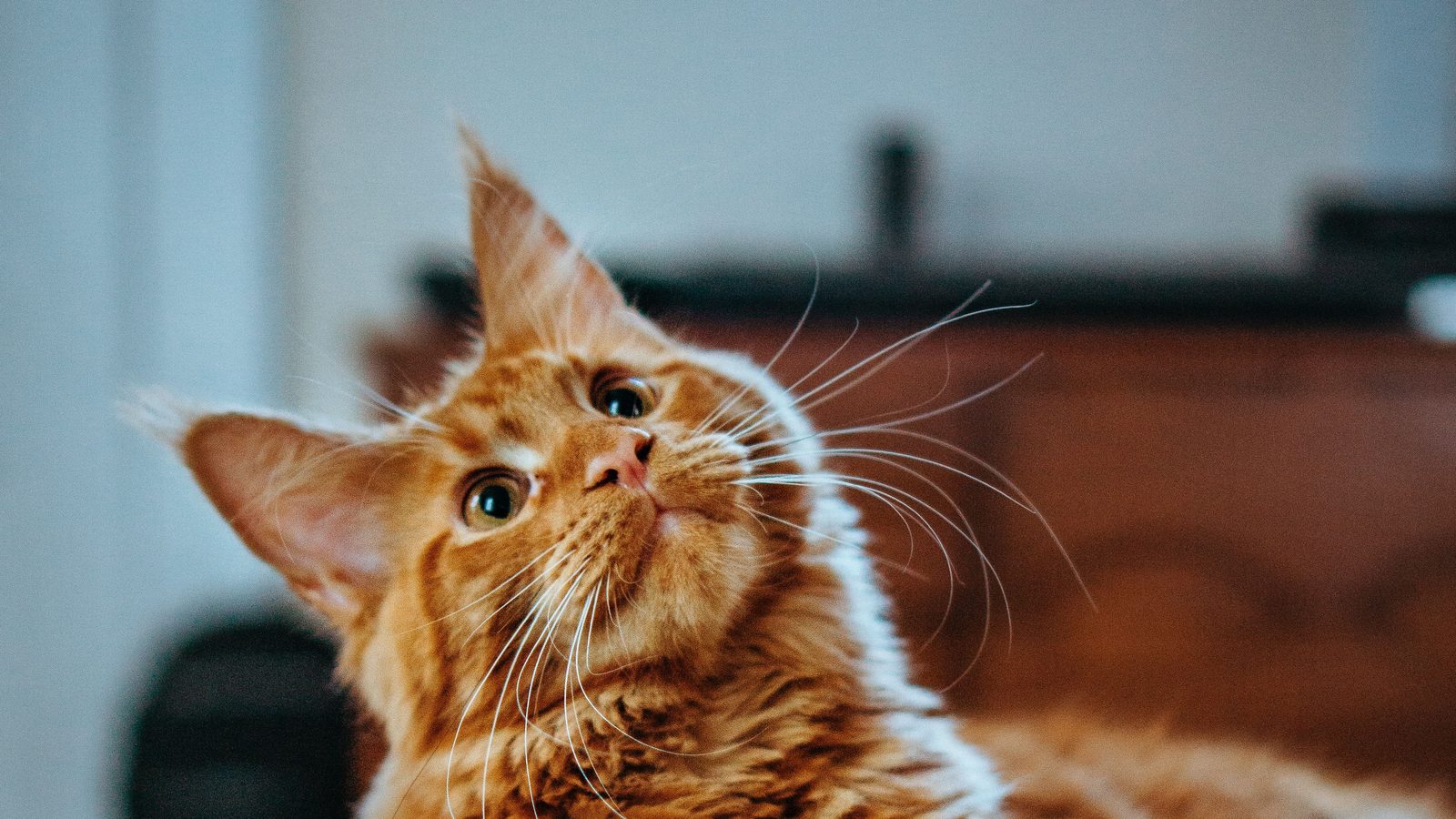
An echocardiogram is a snapshot, not a certificate. Why breeding cats are rescreened on a schedule, and how to tell whether a result is still meaningful.


