
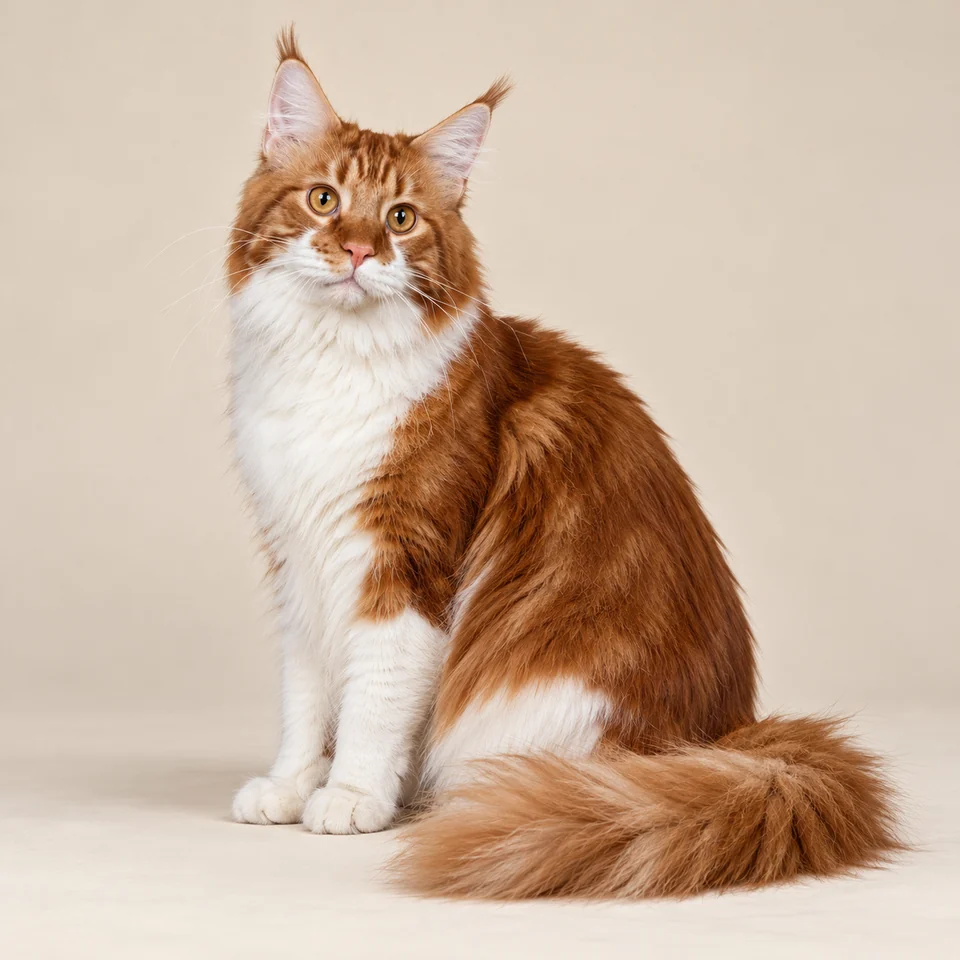
The Maine Coon is a big, shaggy cat from New England.
It is "the gentle giant of the cat fancy." It is the largest of all pedigreed cats. Its heavy coat and tufted paws suit cold, snowy winters. The breed is friendly, sweet-tempered and easy to train.
Source:CFA
Maine Coon kittens you can meet
See all Maine Coon kittens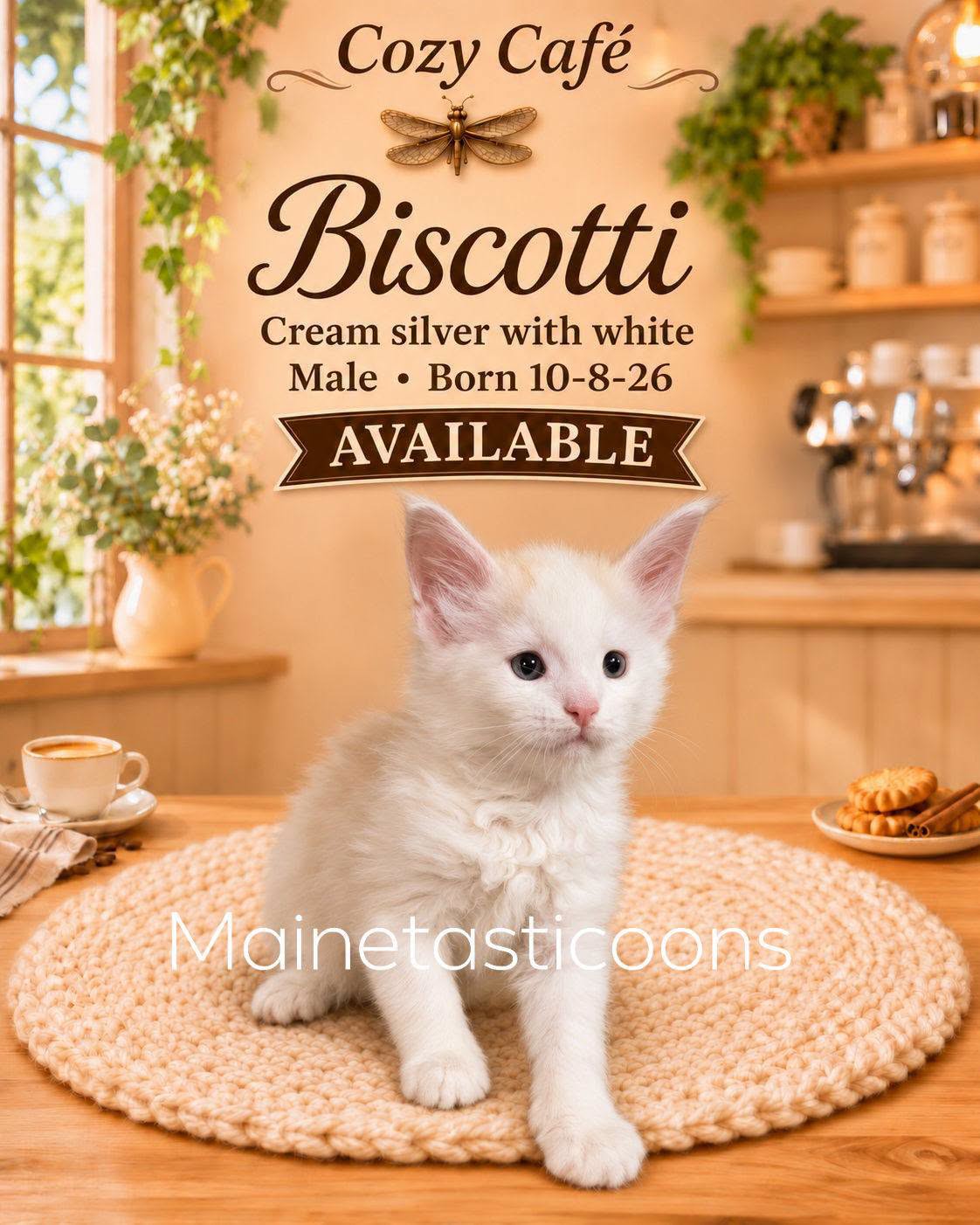
Biscotti
Ready Jan 76 weeks oldMale
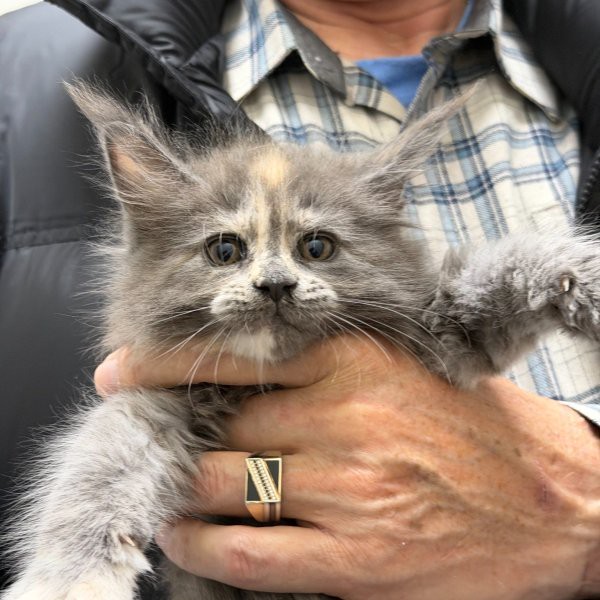
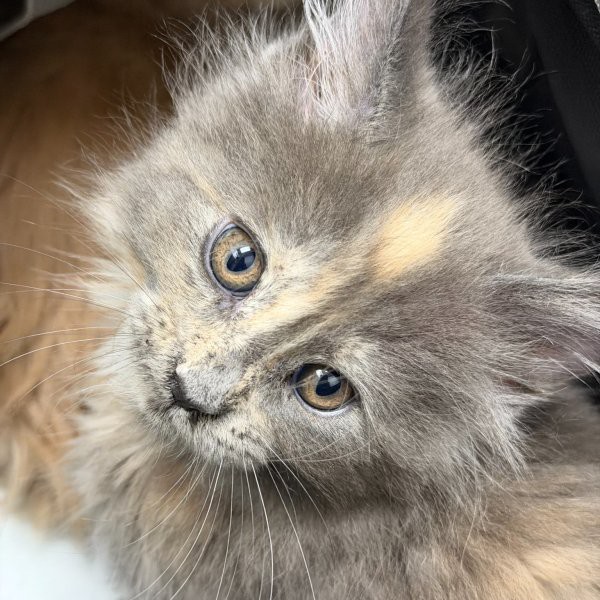
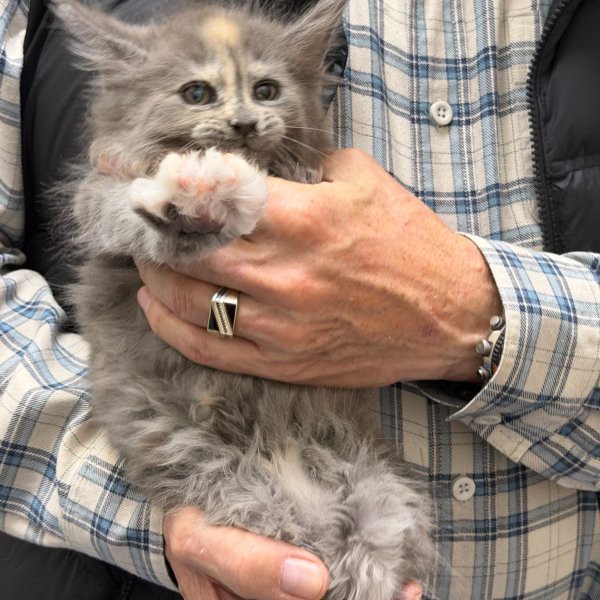
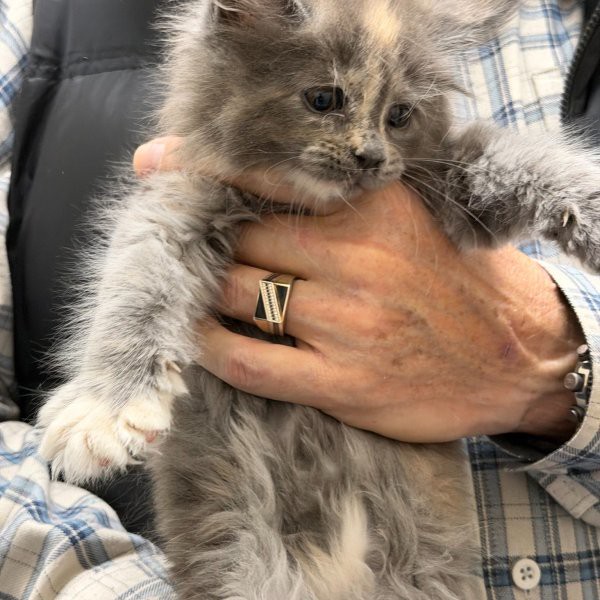
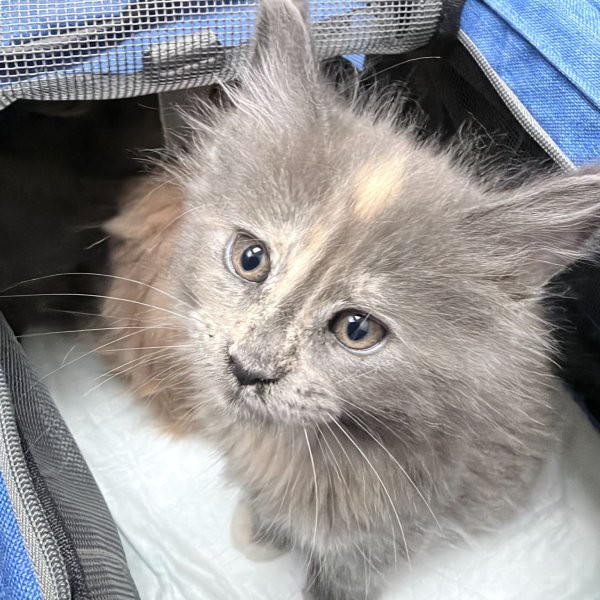
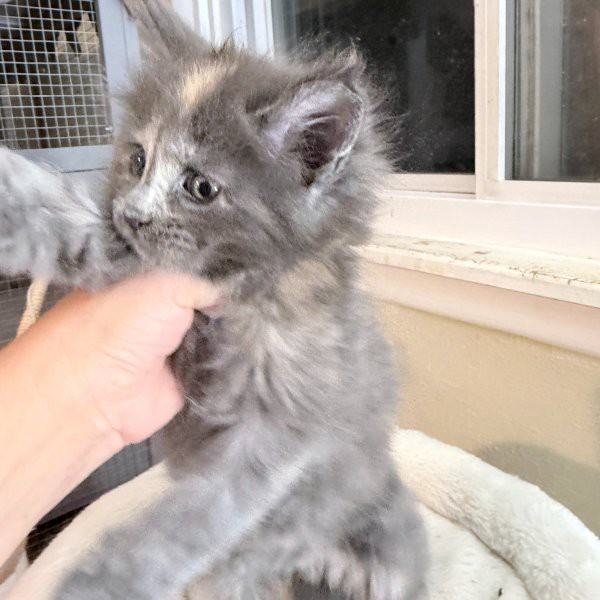
Kleo
Ready Dec 78 weeks oldFemale
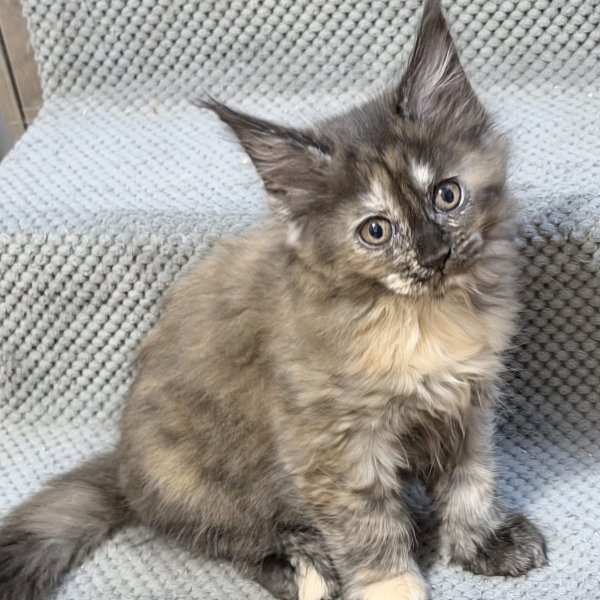
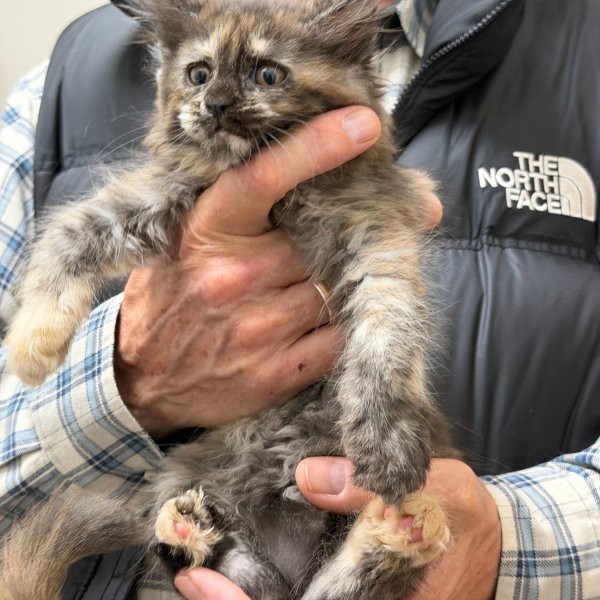
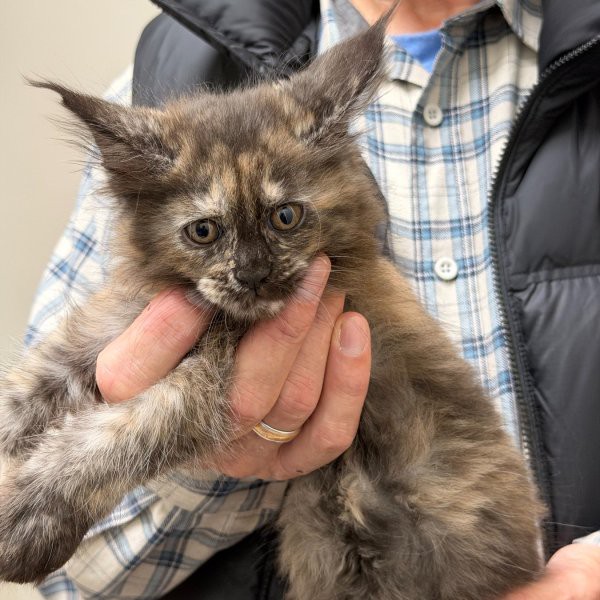
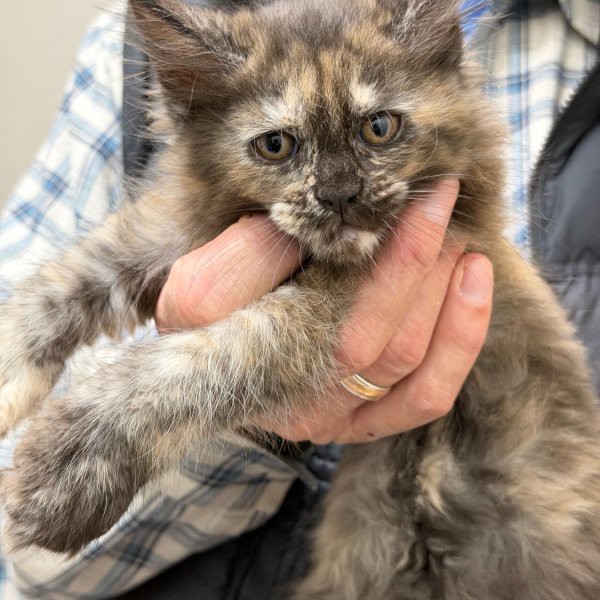
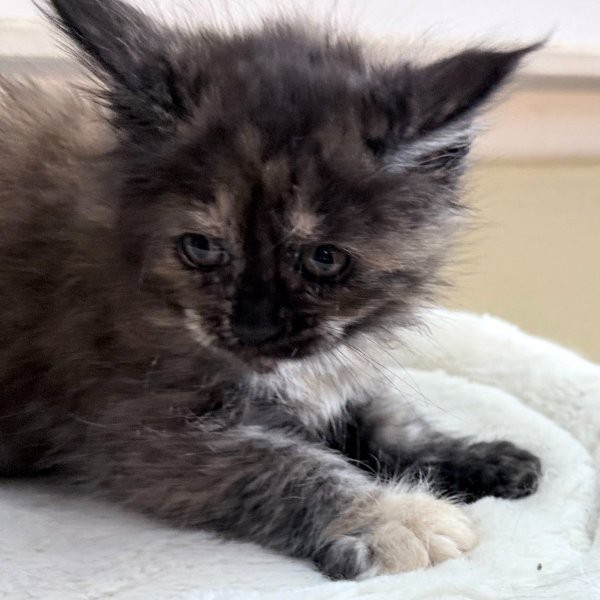
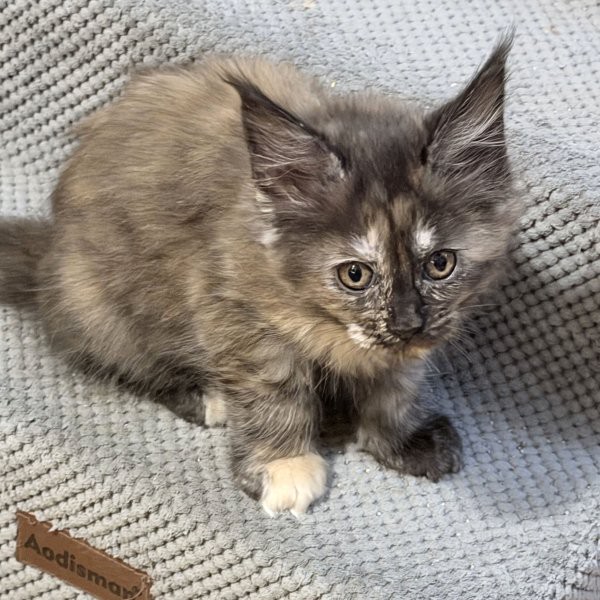
Khalisee
Ready Dec 78 weeks oldFemale
Quick facts
- Where it beganCFATICA
- New England, in the northeastern United States; the breed is generally regarded as native to Maine.
- When it beganCFATICA
- Documented history going back to the 1850s. First recorded in cat literature in 1861.
- Coat lengthCFA
- Longhair
- Coat feelCFATICA
- Heavy, shaggy coat. The texture should be silky, with the coat falling smoothly. The breed has an all-weather coat, often silky.
- WeightCFATICA
- More than one figure is published. One passage says males at maturity can average 13–18 lb and females 9–13 lb. Another says females are typically 12–15 lb and males usually around 18–22 lb. An older breed seminar says males average 15–20 lb and females 9–12 lb. It is not unusual for a mature male to reach or exceed 20 lb. Females are usually smaller.
- LifespanTICA
- Life expectancy is 12.5 or more years.
- Fully grownCFATICA
- This is a slow-maturing breed. It can take up to three years to reach full growth. Maine Coons reach full size at three to five years. One show standard says full maturity comes at four to five years.
- CFA statusCFA
- Championship (since 1976)
- TICA statusTICA
- Championship (since 1979)
Appearance
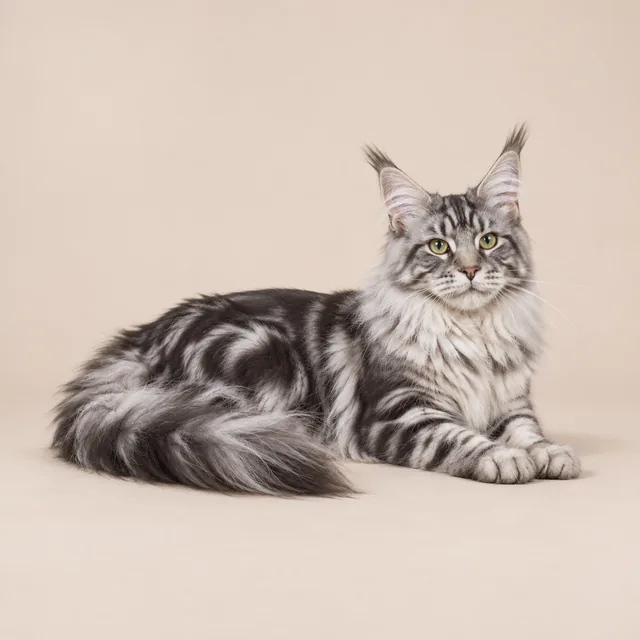
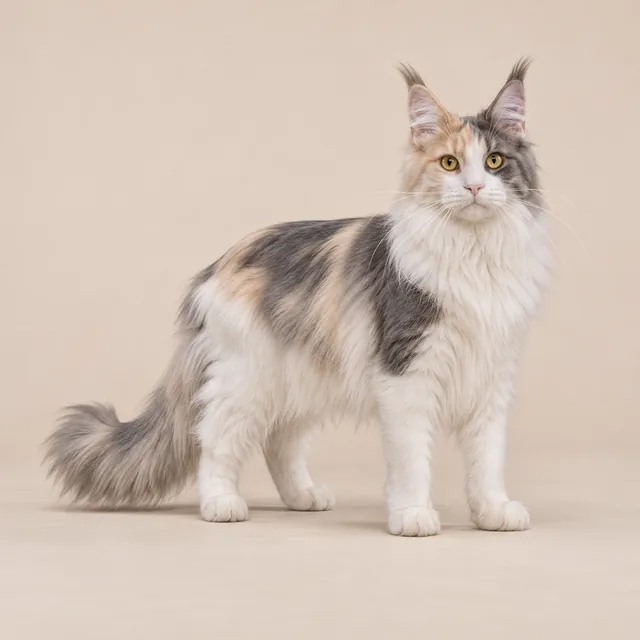
Adults have a thick, shaggy coat.
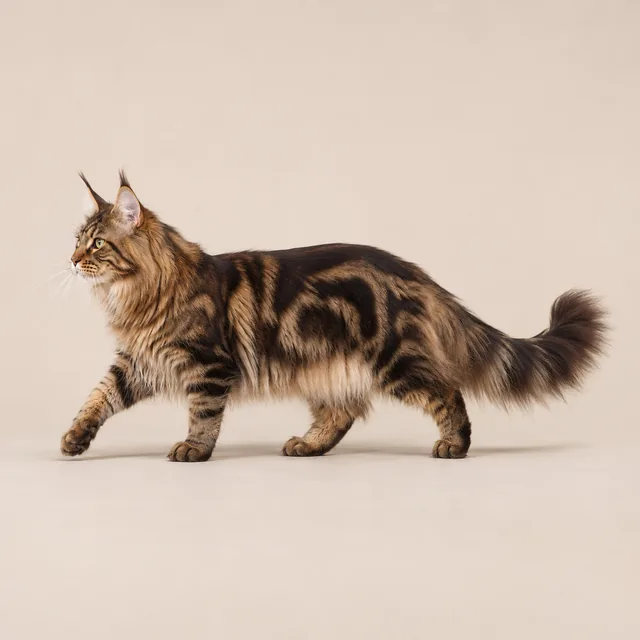
It is shorter at the shoulders and longer on the sides, stomach and back legs. The tail is long and plumed. The head is a bit longer than wide, with a square muzzle. Ears are large and often tufted. The eyes are large and expressive. Paws are large, round and tufted.
Source:CFA
Body
Long, muscular, broad-chested body with a rectangular look and substantial boning.
Colors and patterns
Many colors and patterns. Accepted colors are solid, tabby (classic, mackerel, ticked), bi-color, parti-color, shaded and smoke, with or without white, including vans. Chocolate, lavender and the Himalayan pattern are barred. Some shows allow only traditional (non-pointed) dominant black-based colors and red; chocolate, lilac, cinnamon, fawn, caramel, sepia, mink and pointed are not allowed. Patterns are ticked, classic, spotted, mackerel and shaded/chinchilla.
Personality
Maine Coons are sociable, loyal and quite intelligent.
They are fairly independent. They need a moderate amount of time with people. They will insist on it when you are home. They are sweet-tempered, gentle and friendly.
With their people
They enjoy time with every family member. People who work at home may need to shut a door to focus.
Source:CFA
Voice
Their daily talk may include chirps, trills and purrs, plus an occasional meow. They are not considered a talkative breed.
Source:CFA
Living with a Maine Coon
Maine Coons get along well with children and other animals.
Both may feel unsure of the cat's size at first. They generally get along well with kids, dogs and other cats.
With children
They get along well with children, though children may be unsure of their large size at first. They generally get along well with kids.
With other pets
They get along well with other animals, which may be unsure of their size at first. Maines are larger than many small dogs. They generally get along with dogs and other cats.
Activity
The breed is gentle and easy going, yet active. Many like water. Some watch a dripping faucet, wash food or toys, or try to join you in the shower.
Source:CFA
Training
The breed is easy to train. Maines can work out where you hid a favorite toy and dig it out to keep playing.
Source:CFA
Care
Breeders recommend combing two or three times a week.
This helps control shedding, hairballs and mats. Each session need not take more than five or ten minutes. Trimming nails about once a week for kittens and every two to three weeks for adults are recommended.
Shedding
Breeders recommend combing two or three times a week to control shedding, prevent hairballs and stop mats.
Source:CFA
Undercoat
The show standard asks for a slight undercoat that gives the coat body while the coat still falls smoothly.
Source:TICA
Baths
Most Maine Coons do not need regular baths. An occasional bath can help the coat look its best. If you plan to bathe your cat, ask your breeder which products to use.
Source:CFA
Health
Hip dysplasia and hypertrophic cardiomyopathy (HCM) are the main concerns.
Maine Coons may be susceptible to joint disorders. Luxating patella is another. DNA screening for SMA and pyruvate kinase deficiency is becoming more common among breeders.
Screening
Breeders test for hip dysplasia by x-ray and for HCM with saliva tests and echocardiograms. HCM screening uses DNA tests and periodic echocardiograms read by a board-certified veterinary cardiologist. Genetic testing alone is helpful, but not all mutations have been found. Breeding cats are tested for hip dysplasia by X-ray. Luxating patella is checked by X-ray and/or physical exam.
CFA health notes
Breeders work to manage any health concerns. Testing for hip dysplasia (x-ray) and HCM (saliva tests and echocardiograms) has helped maintain a healthy, diverse gene pool.
Source:CFA
This is what CFA and TICA say about the breed. It is not a health promise for any kitten. TrueKitten verifies breeder identities and documents, but that does not guarantee a kitten's health. Ask the breeder for test results and talk to your vet.
History
The breed's roots lie in New England, where short-haired ship cats arrived with early settlers.
A raccoon cross was once proposed to explain the ringed tails, but is genetically impossible. Maine Coons were first recorded in cat literature in 1861. They competed at early shows in Boston and New York. A brown tabby won Best Cat at the first U.S. cat show in 1895. One account calls the cat Cosey and refers to "his" collar. Another calls the cat Cosie, a female. The breed faded from show halls in the early 20th century. Championship status came in 1976 at one registry and in 1979 at the other.
Recognition dates
- 1976CFA Championship status
- 1979TICA Championship status
- 2015TICA Polydactyl Maine Coons given their own breed name (MCP) and Championship in a separate class
Did you know?
- The bushy ringed tails of brown tabby Maine Coons once led to a theory that cats had mated with raccoons. Mix is genetically impossible.
- Many Maine Coons are fond of water and may even try to join you in the shower.
- The silver collar and medal of Cosey, Best Cat at the 1895 show, are displayed at the Feline Historical Museum in Alliance, Ohio.
- Polydactyl (extra-toed) paws were common in the original Maine Coon population.
For breeders
Details from the CFA and TICA show standards. Cat show judges use them. They do not rate a kitten as a pet.
What the show standards ask for
- Head: medium in width, slightly longer than wide, or a broad modified wedge; square, boxy muzzle and high cheekbones.
- Profile: both ask for a slight concave curve; neither wants a straight profile.
- Ears: large, well-tufted, wide at the base and tapering to look pointed (enhanced by lynx tips); set about one ear's width apart.
- Eyes: large, wide set, oval (almost round when wide open) with a slightly oblique set.
- Body: long, muscular, broad-chested and rectangular; medium to large or large, with substantial boning.
- Legs and feet: substantial, medium-length legs; large, well-tufted paws. Five toes in front and four in back; cats with extra toes are shown as a separate breed (MCP) at some shows.
- Tail: long, wide at the base, tapering, with long flowing fur (as long as the body from tail base to shoulder blades).
- Coat: heavy and shaggy, shorter on the shoulders and longer on the stomach and britches; frontal ruff desirable. A coat that is equal overall without shag, or wooly or cottony, is a show fault.
- Balance matters: quality or type should not be sacrificed for size.
Points show how much each part counts when a judge scores a cat at a show. They add up to 100.
TICA colors
Only dominant black-based (B/-) colors, including the sex-linked red (Xo) results. Non-dominant black-based (b/-, b1/-) modified colors such as chocolate, lilac, cinnamon, fawn and caramel are not allowed.
Source:TICA
CFA colors and patterns
Classes: Solid (white, black, blue, red, cream); Brown, Brown Patched, Silver, Silver Patched and Red Tabby; All Other Tabby Colors (blue, blue patched, blue-silver, blue-silver patched, cream, cameo, cream-silver); the matching Tabby & White classes (including vans); Bi-Color (including vans); Parti-Color (tortoiseshell, blue-cream); Parti-Color & White (calico, dilute calico, tortoiseshell & white, blue-cream & white); Shaded & Smoke; Shaded/Smoke & White (including vans); Other Maine Coon Colors (any other color except chocolate, lavender, the Himalayan pattern, or these with white); AOV. Tabby patterns are classic, mackerel and ticked.
Source:CFA
CFA allowed outcrosses
None (class-number reference, not an official part of the show standard)
Source:CFA
CFA allowances
No separate allowance section. Within the standard: allowance for broadening of the head in older studs, and allowance for slow maturation.
Source:CFA
TICA allowances
Standard favors the male; allowance must be made for significant size difference between male and female; type should not be sacrificed for size; breed is slow to mature. Slightly larger and/or tighter-set ears in kittens; lower ear set in heavily jowled, fully mature males; wider ear set in fully mature adults. Polydactyly of any expression (single extra dewclaw to extra toes on each foot, up to the allowed maximum) is acceptable without preference; polydactyl mitten paws may appear to toe out. Ghost markings in smoke and solid-colored kittens and adults under 18 months.
Source:TICA
CFA penalties
Penalize: a coat that is short or overall even; colors and patterns with white that lack the required white areas (bib, belly, four white paws).
Source:CFA
TICA penalties
Penalize: head round, narrow or unmodified wedge; muzzle length out of proportion; eyes overly rounded, almond-shaped, hooded, protruding, small or deep-set, oriental or level set, or excessive size; ears overly rounded/without taper, small, flared, lacking furnishings or lynx tips, or lynx tips that detract; chin narrow, diamond/triangular, pronounced or receding, or 50%+ of profile depth; muzzle narrow/triangular, prominent whisker pads, rounded nose tip; profile straight, break, stop, Roman nose or pronounced bump; neck too short or too long; torso tubular, narrow or foreign, short, overweight or sway-backed; cow-hocked or toed-out legs; tail too short for body; toes (excluding dewclaws/MCP thumbs) not touching floor; untufted paws; coat equal overall without shag, short or too close-lying; wooly or cottony texture; lockets; shaded cats with heavy tabby markings; silver with heavy tarnishing. Withhold all awards: heavy, massive muzzle out of balance; heavy brow; small, beady or deep-set eyes; narrow-based upright ears with a parallel look.
Source:TICA
CFA disqualifications
Disqualify: delicate bone structure; undershot chin; crossed eyes; kinked (change of direction) or abnormal tail; incorrect number of toes; white buttons, lockets or spots; evidence of hybridization resulting in chocolate, lavender or the Himalayan pattern.
Source:CFA
TICA disqualifications
Disqualify: non-permissible colors; blue or odd eyes in any colored cat other than solid white or with white; fine boning; cobby body; tail fault; tail length significantly out of balance with body; significantly too small for age or gender. The standard also repeats the Show Rules mandatory DQs (e.g. biting, intent to deceive, missing testicles in adult whole males, extra toes unless authorized by the standard, total blindness).
Source:TICA
TICA breeding notes
Only Maine Coons proven free of heart disease by echocardiogram and negative for the HCM mutation (A31P) should be used in breeding.
Source:TICA
CFA standard version
Maine Coon Cat Show Standard (revised 2025); PDF pages carry a ©2026 footer
Source:CFA
Common questions
More than one figure is published. One passage says males at maturity can average 13–18 lb and females 9–13 lb. Another says females are typically 12–15 lb and males usually around 18–22 lb. An older breed seminar says males average 15–20 lb and females 9–12 lb. It is not unusual for a mature male to reach or exceed 20 lb. Females are usually smaller.
This is a slow-maturing breed. It can take up to three years to reach full growth. Maine Coons reach full size at three to five years. One show standard says full maturity comes at four to five years.
Life expectancy is 12.5 or more years.
Maine Coons get along well with children and other animals. Both may feel unsure of the cat's size at first. They generally get along well with kids, dogs and other cats.
They tend to go from one lap to another rather than pick a favorite person.
Breeders recommend combing two or three times a week. This helps control shedding, hairballs and mats. Each session need not take more than five or ten minutes. Trimming nails about once a week for kittens and every two to three weeks for adults are recommended.
Their daily talk may include chirps, trills and purrs, plus an occasional meow. They are not considered a talkative breed.
Breeders test for hip dysplasia by x-ray and for HCM with saliva tests and echocardiograms. HCM screening uses DNA tests and periodic echocardiograms read by a board-certified veterinary cardiologist. Genetic testing alone is helpful, but not all mutations have been found. Breeding cats are tested for hip dysplasia by X-ray. Luxating patella is checked by X-ray and/or physical exam.
Many colors and patterns. Accepted colors are solid, tabby (classic, mackerel, ticked), bi-color, parti-color, shaded and smoke, with or without white, including vans. Chocolate, lavender and the Himalayan pattern are barred. Some shows allow only traditional (non-pointed) dominant black-based colors and red; chocolate, lilac, cinnamon, fawn, caramel, sepia, mink and pointed are not allowed. Patterns are ticked, classic, spotted, mackerel and shaded/chinchilla.
Questions to ask a breeder
- Have both parents been screened for HCM with a DNA test and an echocardiogram? Who read the echocardiogram, and when?
- Have the parents had hip x-rays for hip dysplasia? May I see the results?
- Were the parents checked for luxating patella?
- Have the parents been DNA-tested for SMA and pyruvate kinase deficiency?
- How often do you comb your cats, and how should I care for this kitten's coat?
- How big are the parents, and how old were they when they reached full size?
- How has this kitten been socialized with children, dogs or other cats?
Sources
Every fact on this page comes from the two cat registries, CFA and TICA.
Last updated