
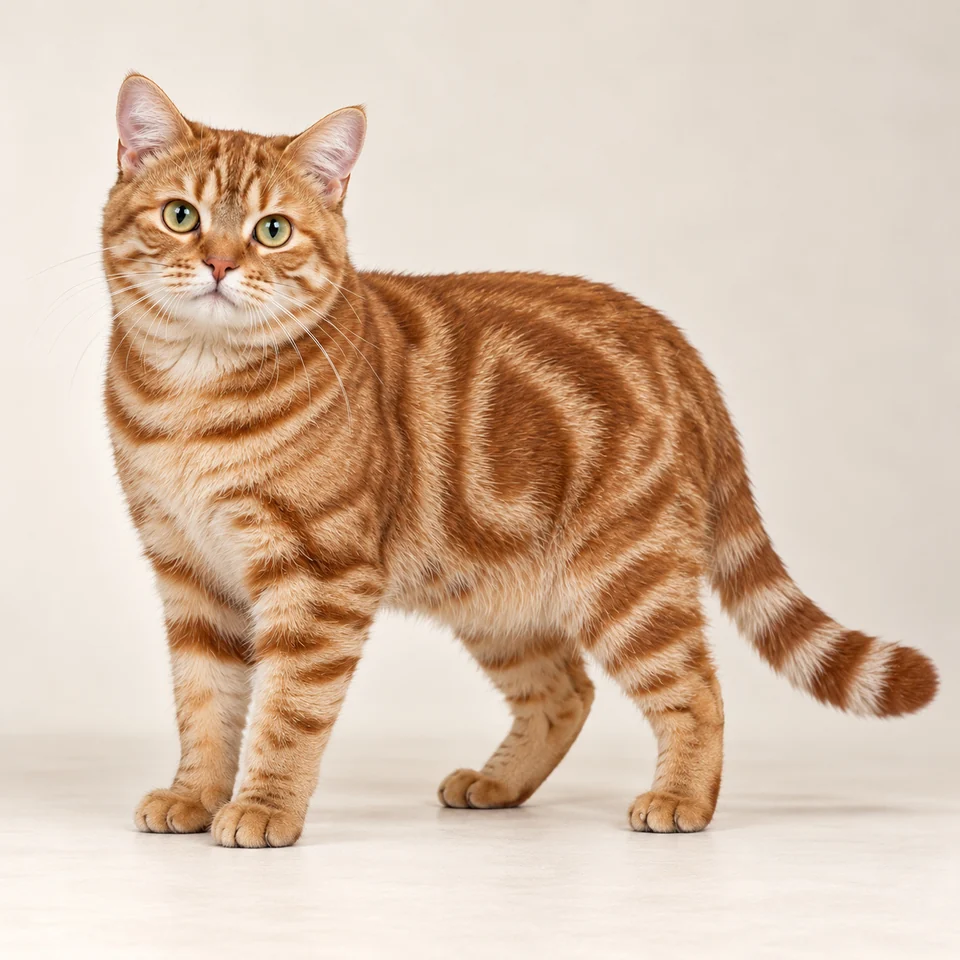
A Manx Tailed is a shorthaired Manx born with a full tail.
Tailed and partially tailed Manx do occur. A 2026 show standard adds a TAILED variety with a full-length tail. Manx with a full or partial tail have all the personality traits of a show-quality Manx. They are quiet, gentle, devoted companions. At other shows Manx, Cymric and their tailed forms share one breed group.
Quick facts
- Where it beganCFA
- Isle of Man, in the Irish Sea
- When it beganCFA
- Tailless cats on the island were first recorded in the sixteenth century by visiting sailors.
- Coat lengthCFA
- Shorthair
- Coat feelCFA
- Short, dense double coat with a well-padded feel. Outer guard hairs are somewhat hard and glossy. The coat may be thinner in summer.
- WeightCFATICA
- Males average 10 to 12 pounds, and females are slightly smaller. At full maturity males weigh 10 to 12 pounds on average, and females 8 to 10 pounds.
- LifespanTICA
- Life expectancy is 16+ years.
- Fully grownCFATICA
- Manx and Cymrics take 5 years to reach full maturity. Manx may be slow to mature, and allowance should be made in young cats.
- CFA statusCFA
- The Manx Show Standard (revised 2026) shows a TAILED variety, with its own Longhair and Shorthair divisions. The breed page text still says only completely tailless cats can be shown.
- TICA statusTICA
- Championship from May 1, 2026 (advanced from New Trait).
Appearance
Manx are robust and rounded, with deep flanks and short bodies.
They feel surprisingly heavy when lifted. The head is very round with jowly cheeks. The back legs are longer than the front, so the rump sits higher than the shoulders. The eyes are large and round. The ears are medium-sized with a "rocker" set. The short coat is thick and plush, with a well-padded feel. This is a medium-sized cat with heavy boning and a compact body.
Body
Round and compact: solidly muscled, sturdy bone, broad chest, great depth of flank, a short back that arches to a round rump, and hind legs much longer than forelegs.
Source:CFA
Colors and patterns
Many colors and patterns: solids, smokes, silvers, tabbies (classic, mackerel, spotted, ticked, patched), calicos, bi-colors and other colors, including van patterns. Chocolate, lavender and pointed colors, or these with white, are not allowed at some shows.
Source:CFA
Eye colors
Gold to copper, odd-eyed, blue-eyed, green or hazel, as appropriate to the coat color.
Source:CFA
About this variety
The 2026 standard describes the TAILED Manx as fully tailed. The tail is in proportion to the body, tapers to a rounded end, and has no kinks or faults. The rump is broad and round. A tail between tailless and full length moves the cat to the AOV class. Kinks or other tail faults disqualify a Tailed Manx. An older breed page still says only completely tailless cats can be shown. Tailed Manx and Cymric should look the same as tailless ones, except for the tail. The tail should be in proportion to the body, ideally 2/3 of the body length. A tapered or blunt end is acceptable. A long or whippy tail is a show fault. The tailed cats move from New Trait to Championship on May 1, 2026.
Personality
Manx are affectionate and intelligent.
They are quiet, devoted companions most of the time. They also have a playful streak and may chase invisible objects late at night. The Manx is friendly and loving.
With their people
Manx often bond strongly with one or two family members. Because of this, they may take a while to get used to newcomers in the home.
Source:CFA
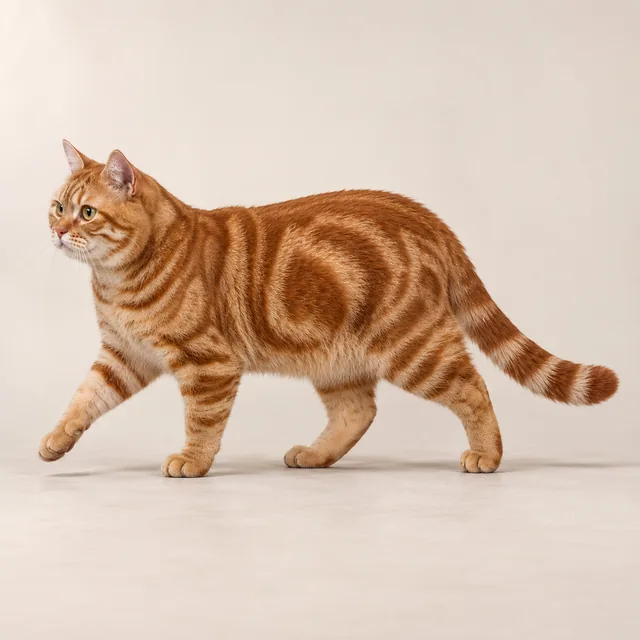
Living with a Manx Tailed
Manx are patient and tolerant and do very well with children of all ages.
They tend to get along well with dogs and other pets, including cats.
Source:CFA
With children
Manx do very well with children of all ages. If a child holds one too tight, it will most likely squirm free rather than respond aggressively.
Source:CFA
With other pets
They tend to get along well with dogs and other family pets, including other cats.
Source:CFA
Activity
Manx are calm most of the time but have bursts of play. Many love fetch and are often called "doglike." One may leap to the top of the refrigerator in a single bound.
Source:CFA
Care
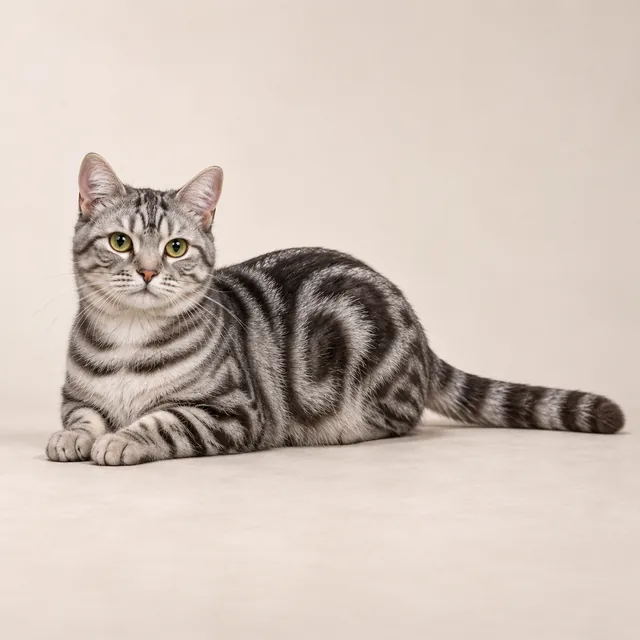
Manx should be groomed regularly to control shedding.
The coat is not prone to matting. Shorthaired Manx can be groomed with a comb or brush two or three times a month. Regular combing, starting from kittenhood are recommended.
Nails, ears, eyes and teeth
Keeping the eyes, nose and ears free of debris are recommended.
Source:TICA
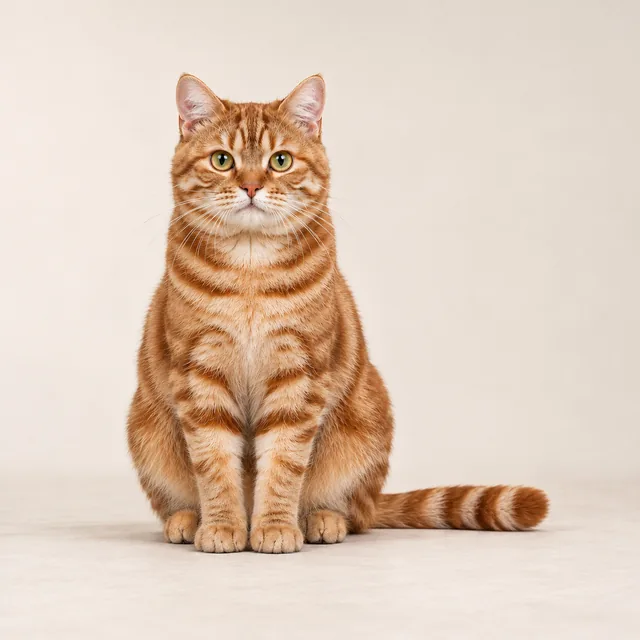
Health
"Manx syndrome" means problems with the hind legs, urinary bladder and colon of a tailless cat.
The regular use of tailed Manx in breeding programs has helped keep the gene pool healthy and diverse. The gene that can make these cats tailless can also create some health issues.
Screening
Ask your breeder about any chance of Manx syndrome in the lines. It is typically found before kittens are four months old, so breeders may wait to place kittens until their health is assured. Testing and monitoring kittens has helped the breed.
Source:CFA
CFA health notes
Manx syndrome involves the function of the hind legs, urinary bladder and colon of a tailless cat. It is typically found before four months of age.
Source:CFA
This is what CFA and TICA say about the breed. It is not a health promise for any kitten. TrueKitten verifies breeder identities and documents, but that does not guarantee a kitten's health. Ask the breeder for test results and talk to your vet.
History
The Manx is an ancient breed from the Isle of Man in the Irish Sea.
Visiting sailors first recorded the tailless cats in the sixteenth century. A story says the Manx was late to Noah's Ark and the door cut off its tail. The taillessness more likely began as a mutation in the island's native shorthair cats. It is an incomplete dominant gene that spread across the island. Manx were shown at the first cat shows in Great Britain. They were among the first cats registered in 1906.
Source:CFA
Recognition dates
- 1906CFA Included when cat registration began
- 1979TICA Manx and Cymric recognized for championship competition
- 2026TICA Board voted to advance Manx/Cymric Tailed from New Trait to Championship, effective May 1, 2026
Did you know?
- A resting Manx is so round it is jokingly called a "bowling ball with fur."
- An old story says the Manx was late to Noah's Ark and lost its tail in the closing door.
- Manx are often called "doglike" because they like to play fetch.
- Manx were among the first cats registered in 1906.
- In 2025 a board vote advanced Manx/Cymric Tailed to Championship, effective May 1, 2026.
For breeders
Details from the CFA and TICA show standards. Cat show judges use them. They do not rate a kitten as a pet.
What the show standards ask for
- Overall impression of roundness; surprisingly heavy when lifted.
- Head round with prominent cheeks and jowls; medium length in profile with a gentle dip; muzzle very slightly longer than broad; strong chin; short, thick neck.
- Ears wide at the base, tapering to a rounded tip, widely spaced, set like the rocker of a cradle.
- Eyes large, round and full, set at a slight angle.
- Body solidly muscled, compact, medium-sized, sturdy bone; short back arching from shoulders to a round rump; great depth of flank.
- Legs heavily boned; hind legs much longer than forelegs; five toes in front and four behind.
- Tail (TAILED variety): fully tailed, proportionate to the body, tapering to a rounded end, no deviations, kinks or faults; rump broad and round. A tail between tailless and full length transfers to AOV; tail deviations, kinks or faults disqualify.
- Coat (Shorthair): short, dense double coat with a well-padded quality; outer guard hairs somewhat hard and glossy.
- Medium-sized, compact, muscular cat; head rounded and slightly longer than broad; ears rather wide at base, tapering to a rounded tip; slow to mature.
- Tail: the cat should appear the same as the tailless cats except for the tail; tail in proportion to body, ideally 2/3 of body length; tapered or blunt end acceptable; long and/or whippy tail penalized; tail not to be overhandled.
Points show how much each part counts when a judge scores a cat at a show. They add up to 100.
CFA colors and patterns
Solid colors (white, black, blue, red, cream), chinchilla and shaded silver, smokes, tabbies (classic, mackerel, spotted, ticked; patched tabbies), calico and dilute calico, tortoiseshell/blue-cream and white, bi-colors, tabby and white (all including vans), and OMC (any other color except chocolate, lavender, the Himalayan pattern, or these with white). Classes are split into four divisions: Tailless Longhair, Tailless Shorthair, Tailed Longhair, Tailed Shorthair.
Source:CFA
CFA allowed outcrosses
None (class-number reference, not an official part of the show standard)
Source:CFA
CFA allowances
Allowance for slow maturing young cats; a lockets/buttons-only cat is judged in its basic color with no penalty.
Source:CFA
TICA allowances
Partial: allowance for slow maturing in young cats (depth of flank, stud jowls, overall maturity); no penalty for a rise of bone or cartilage that does not stop the judge's hand.
Source:TICA
CFA penalties
Longhair Manx: coat that lacks density, has a cottony texture or is of one overall length. Transfer to AOV: a Tailless Manx with a definite, visible tail joint; a Tailed Manx with a tail between tailless and full length.
Source:CFA
CFA disqualifications
Evidence of poor physical condition; incorrect number of toes; evidence of hybridization; evidence of weakness in the hindquarters; pronounced stop or nose break in profile; Tailed Manx: any tail deviations, kinks or faults.
Source:CFA
TICA disqualifications
Partial: any congenital deformity; weak hindquarters causing inability to stand or walk properly. Withhold all awards: evidence of illness or poor health.
Source:TICA
CFA breeding notes
Testing and monitoring kittens, and regular use of tailed Manx in breeding programs, have helped maintain a healthy, diverse gene pool.
Source:CFA
TICA breeding notes
A genetics committee commented on the 2025 tailed-championship proposal. It said the Manx T-box mutation (the tail gene) is a recessive lethal, so all tailless Manx carry a normal version of the gene. The show standard lists cats of proven origin from the Isle of Man as permissible outcrosses.
Source:TICA
TICA standard version
Manx Breed Group Standard, revised 05/01/2026 (file at the 2024/02 upload path)
Source:TICA
Common questions
The Manx is an ancient breed from the Isle of Man in the Irish Sea. Visiting sailors first recorded the tailless cats in the sixteenth century. A story says the Manx was late to Noah's Ark and the door cut off its tail. The taillessness more likely began as a mutation in the island's native shorthair cats. It is an incomplete dominant gene that spread across the island. Manx were shown at the first cat shows in Great Britain. They were among the first cats registered in 1906.
The 2026 standard describes the TAILED Manx as fully tailed. The tail is in proportion to the body, tapers to a rounded end, and has no kinks or faults. The rump is broad and round. A tail between tailless and full length moves the cat to the AOV class. Kinks or other tail faults disqualify a Tailed Manx. An older breed page still says only completely tailless cats can be shown. Tailed Manx and Cymric should look the same as tailless ones, except for the tail. The tail should be in proportion to the body, ideally 2/3 of the body length. A tapered or blunt end is acceptable. A long or whippy tail is a show fault. The tailed cats move from New Trait to Championship on May 1, 2026.
Manx are affectionate and intelligent. They are quiet, devoted companions most of the time. They also have a playful streak and may chase invisible objects late at night. The Manx is friendly and loving.
Manx are patient and tolerant and do very well with children of all ages. They tend to get along well with dogs and other pets, including cats.
Your Manx will spend most of its time curled up on the couch or in your lap.
Manx should be groomed regularly to control shedding. The coat is not prone to matting. Shorthaired Manx can be groomed with a comb or brush two or three times a month. Regular combing, starting from kittenhood are recommended.
"Manx syndrome" means problems with the hind legs, urinary bladder and colon of a tailless cat. The regular use of tailed Manx in breeding programs has helped keep the gene pool healthy and diverse. The gene that can make these cats tailless can also create some health issues.
Ask your breeder about any chance of Manx syndrome in the lines. It is typically found before kittens are four months old, so breeders may wait to place kittens until their health is assured. Testing and monitoring kittens has helped the breed.
Males average 10 to 12 pounds, and females are slightly smaller. At full maturity males weigh 10 to 12 pounds on average, and females 8 to 10 pounds.
Life expectancy is 16+ years.
Manx and Cymrics take 5 years to reach full maturity. Manx may be slow to mature, and allowance should be made in young cats.
Questions to ask a breeder
- Has Manx syndrome ever appeared in your lines?
- How old will the kitten be when it comes home, and has it been checked for hind-leg, bladder and bowel function?
- Do you use tailed Manx in your breeding program?
- How long is this kitten's tail, and which show class would it be in?
- How often do you brush or comb the coat?
- How does this kitten react to new people?
Sources
Every fact on this page comes from the two cat registries, CFA and TICA.
Last updated